
Behind the Brand: Samuel Vartan Collections Unplugged
Samuel Vartan Collections, founded in the 1990s, is more than your run-of-the-mill studio. From the get-go, the brand has a clear vision — who the ideal wearer would be, how the pieces are to be worn, and especially what they should add to the wearer’s lifestyle. Vartan’s vision has been the catalyst for the brand’s unique selection of only the finest materials — original textiles from Italy to carefully curated zippers from Germany — nothing is ever left to chance. In a world characterized by fast fashion and the latest and greatest pieces, it’s a rarity to find a brand that pays such an attention to detail like Vartan does. Not a stitch should be out of place, nor a button left astray.
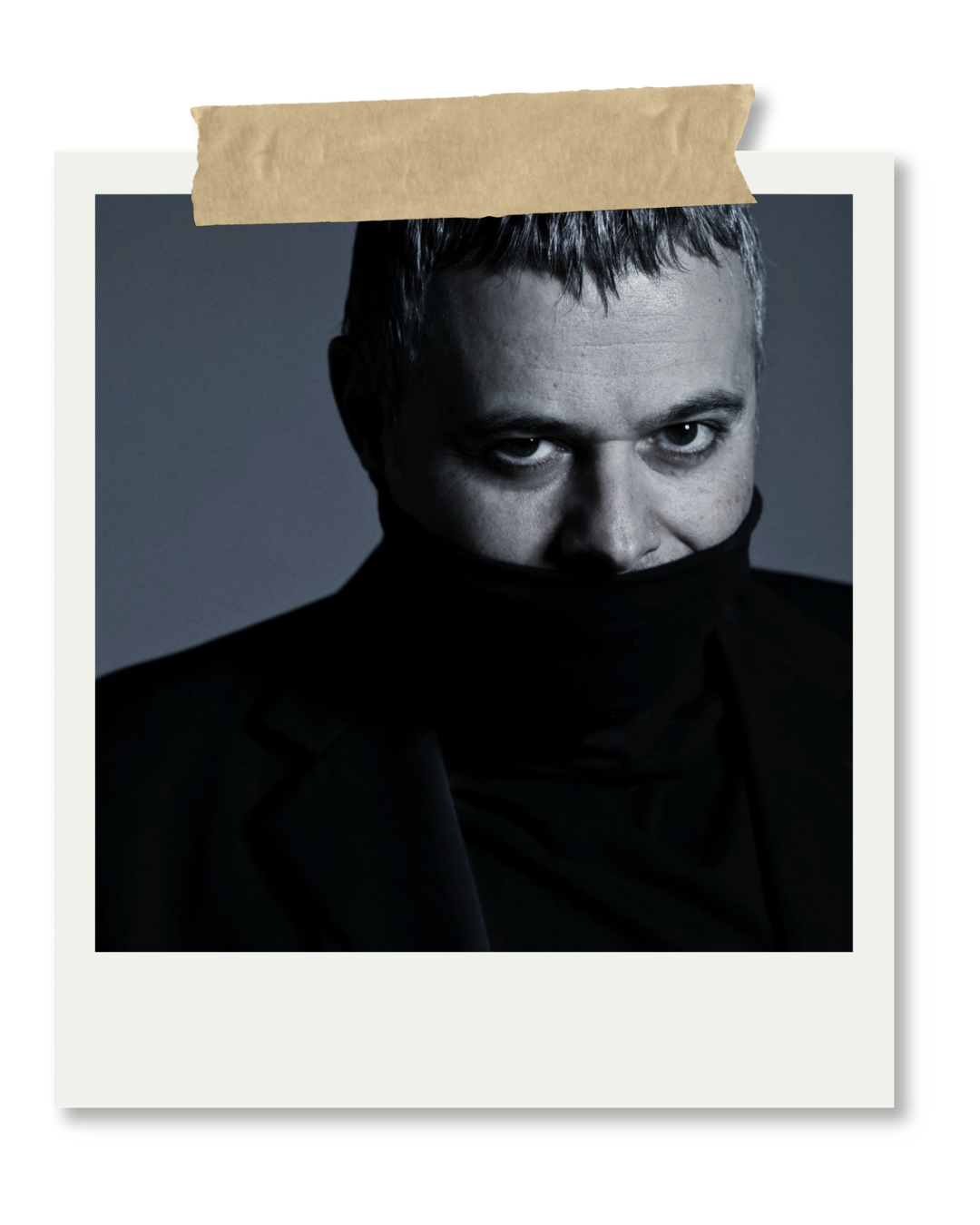
Out of his studio in the heart of Boston, Samuel “Vartan” Bizdikian meticulously curates pieces that feel like an extension of himself. Connecting to his roots in the Mediterranean and his upbringing in Montreal, Samuel Vartan Collections represents a true dichotomy of styles. Vartan noted that everything has two sides to its story, which ultimately reflected down to the contrast between his subdued, sleek Fall/Winter designs versus his bold, colorful Spring/Summer collections.
Upon speaking with the designer, his clothes already did the talking. When I stood at the end of the runway of his recent NYFW debut show, my eyes were taken with the collection in front of me. Sleek, seamless lines emboldened with the sexy shades on the dark fabrics — it felt timeless yet edgy. Though once we sat down after the show closed, and once I gathered my thoughts, it was no surprise to learn that Bizdikian had a background in alternative rock music. So many times in fashion, we see direct correlations to the designer’s taste in outside art forms, music especially. But Vartan’s pieces are not just inspired by the music, in a way, they are pieces of music. However, this is just a taste of what the brand is all about, hear what the designer had to say for himself.
The Q&A’s
Q: What were the origins of the brand? What did the name of your brand derive from?
A: When I started dabbling in design, it was a byproduct of my friends wanting my pieces. I was always drawing. Music and drawing were my two earliest skills. A friend had seen my sketches and told me I could be a fashion illustrator. But I said no, I wanted to design. At the time, my friend was helping me with my patterns, getting me started on the right foot.
But one day, he looked at me and said, “You can’t be making this stuff without a label…you need to have a name on there. Can you think of any names?” We agreed that my first name, Samuel, went nicely but the “Vartan” ending sealed the deal. It’s my middle name. Ironically, I was the only one in my family with a middle name. My friend looked at me, and we both knew that was the one. It was especially cool because of its connotations to the infamous French-Armenian singer, Sylvie Vartan.
Q: Your work feels and presents itself as very timeless, how do you execute that?
A: I’ve always loved the designs of the late ’80s and early ’90s. Some of my favorite designers from that era had a kind of minimalism with an eclectic twist—classic shapes but with unexpected details. Little accents that made a piece interesting without overwhelming it. Designers like Jil Sander really captured that feeling. The pieces were simple, but there were always subtle details like an unexpected accent, a slight shift in proportion, something that made it interesting.
That’s what makes something feel timeless and modern at the same time. At this point in my life, I’m 65, I’m pretty set in my ways. I’ve been like that for as long as I can remember. I honestly don’t know what the current trend is anymore. Trends change so fast that it almost feels like there isn’t one. I mean for me, a classic black mini dress will literally never go out of style.
It’s not that I ignore fashion, I pay attention. But I’ve never been the type to say, “Oh, stripes are in,” or “Houndstooth is in.” To me, a classic black mini dress will always be in style. It never disappears. What changes is how you present it.
Q: Where were you in life when you realized you wanted to get into fashion?
A: My backstory starts in Montreal, where I lived prior to moving to Boston for my then future wife. Before getting into fashion, I was heavily involved in music — mainly alternative rock, new wave, post-punk — and especially film. I studied film in and out of school, and even went on to work on a few feature films shot in Montreal. Montreal in the ’80s had this tight-knit creative scene where fashion, film, and music all intertwined. That was very Montreal back then — nonchalant, cool, a very very ingrained community. It wasn’t just fashion people interacting with other fashion people, or film with film.
One day, I got a call from a friend of mine asking me to come by their studio. When I got to his place, the first things I saw were tables with fabric laid out all over. It was then I realized how much I always admired watching people work with their hands. It was quite funny, you know, I was always into fashion but I never thought of myself on the other side.
Q: How did music start influencing your perception or understanding of the fashion industry?
A: I grew up coming to New York, going to clubs like The Limelight and absorbing that energy. Music has always been tied to visual identity. Bands like Simple Minds, Duran Duran, The Cure; presentation mattered. My band always looked great, we never bought into the cheap stuff, you know, we’d go straight for Armani. Armani was always a huge influence in my life, not only for his designs, but for his entire persona. He wasn’t just a designer, he was his brand. That always stuck with me, both during my time spent in music to later in life with my designs.
When the average guy was off spending their money on cars and miscellaneous items, I was the guy going to buy the latest designer pieces. Some of my early band days were spent dressing my band members in the most fashionable pieces I could find. Style, at least for me, was always a conscious thing. You never know who’s in the audience of your shows, but when they see you, you want them to be wowed. For me, fashion was part of the performance, it was all about visuals.
Looking back, I see that music led me to fashion.
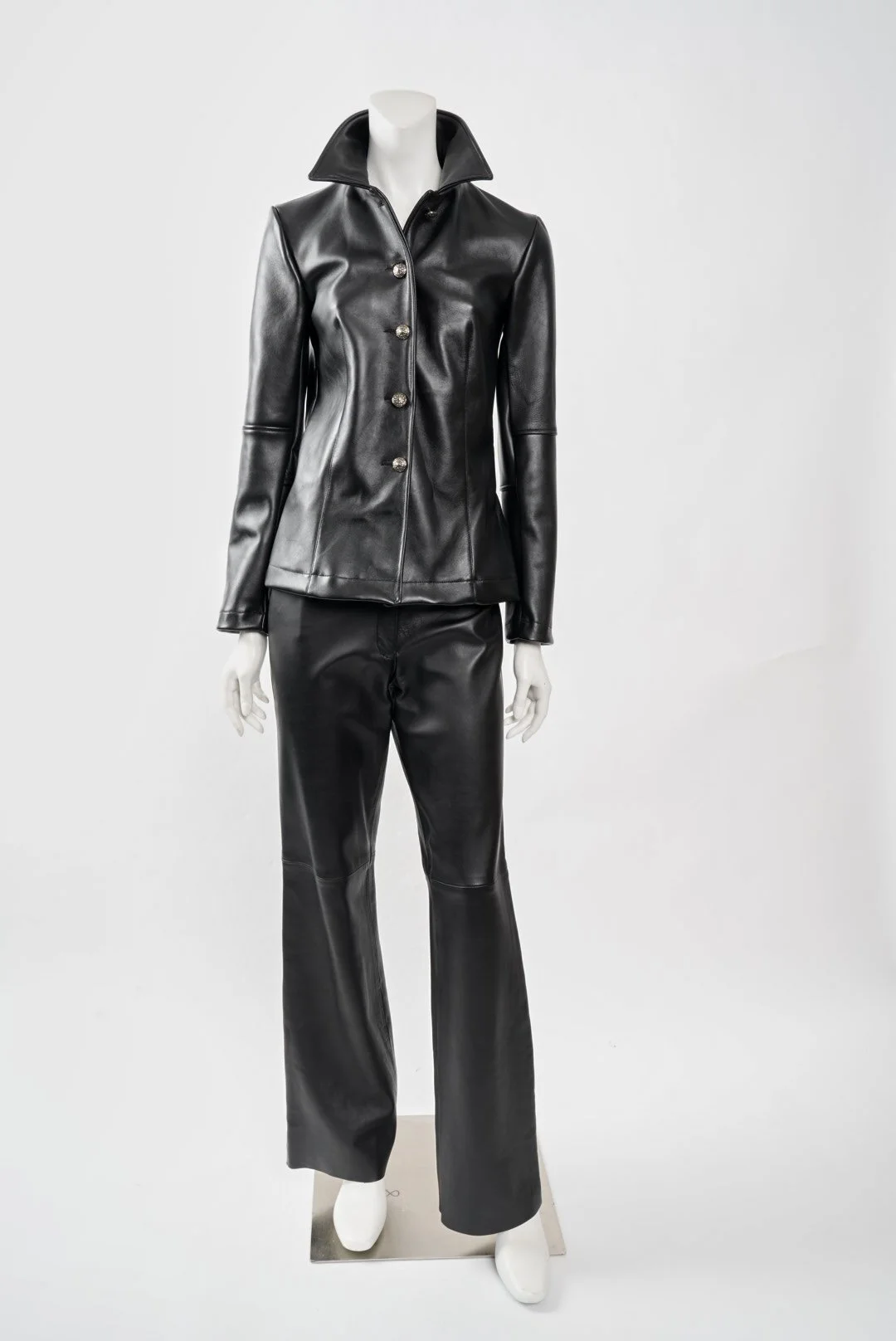
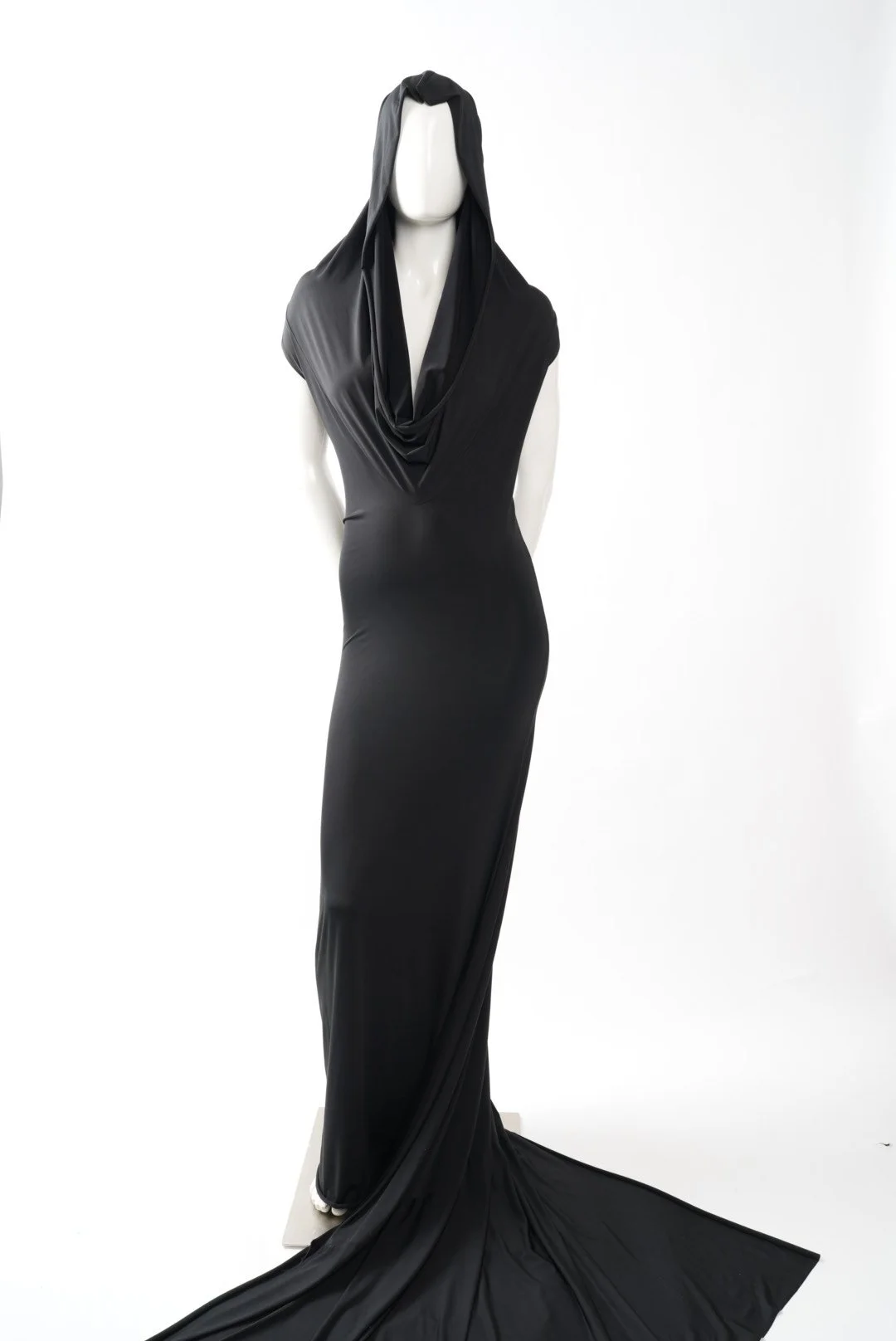
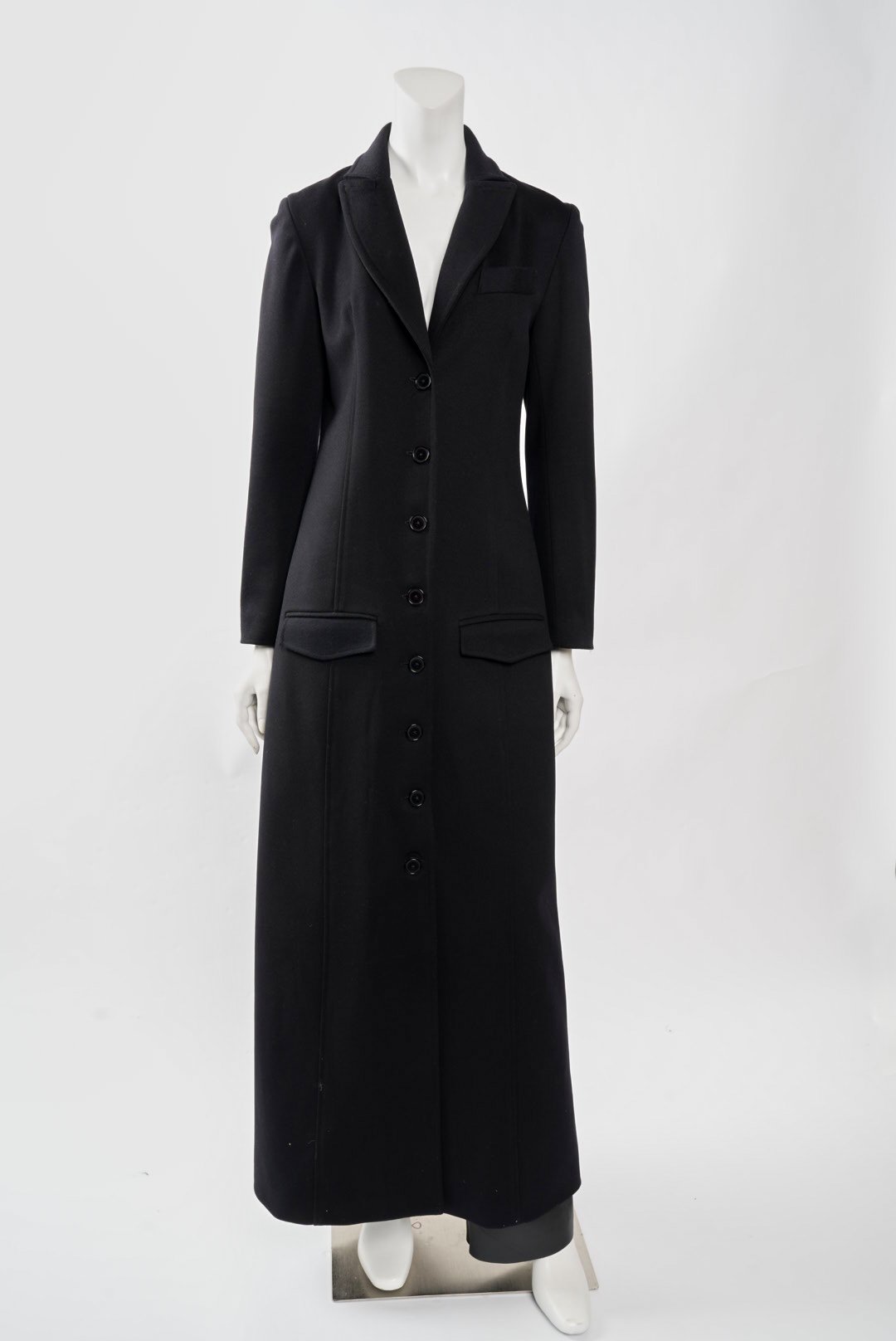
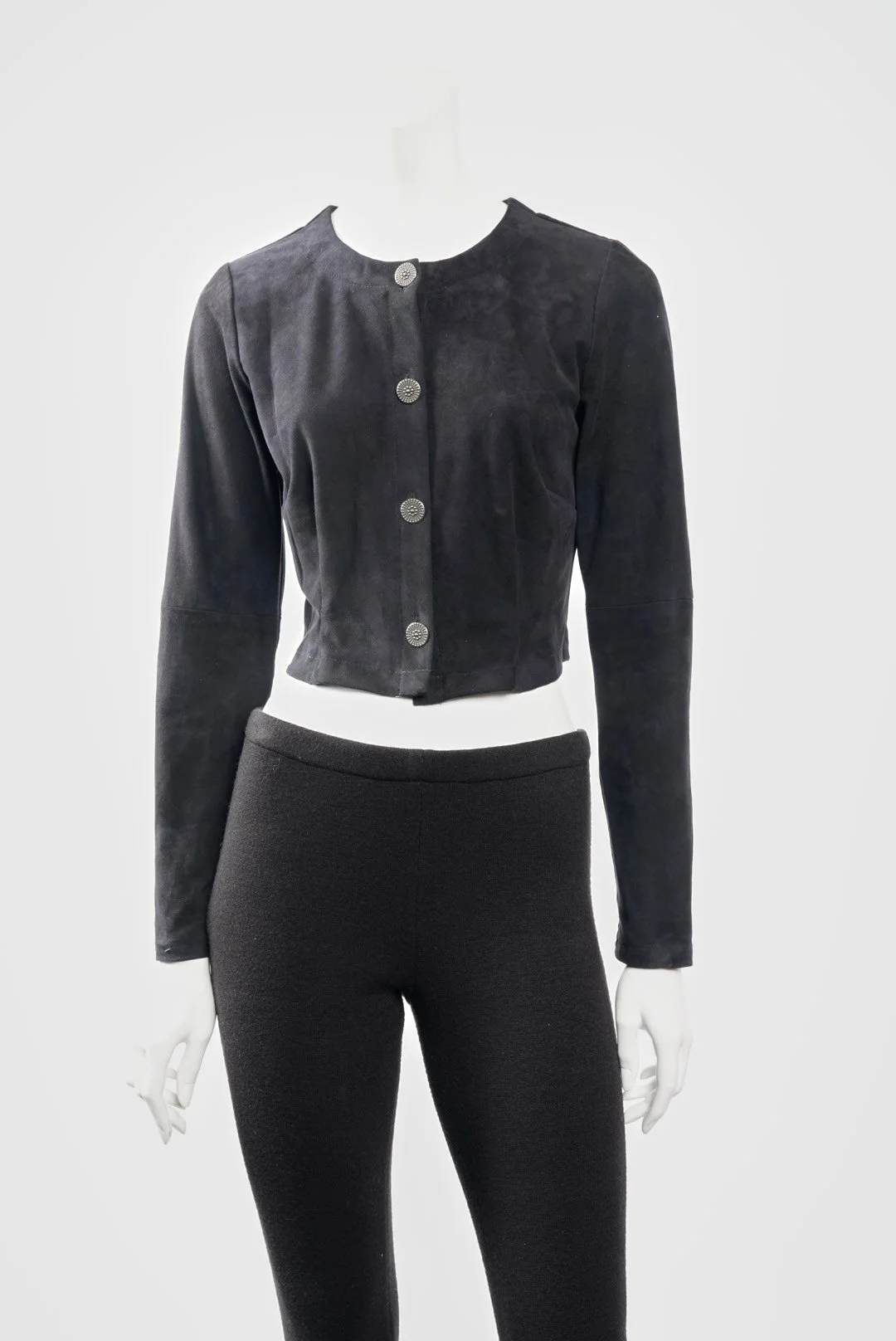
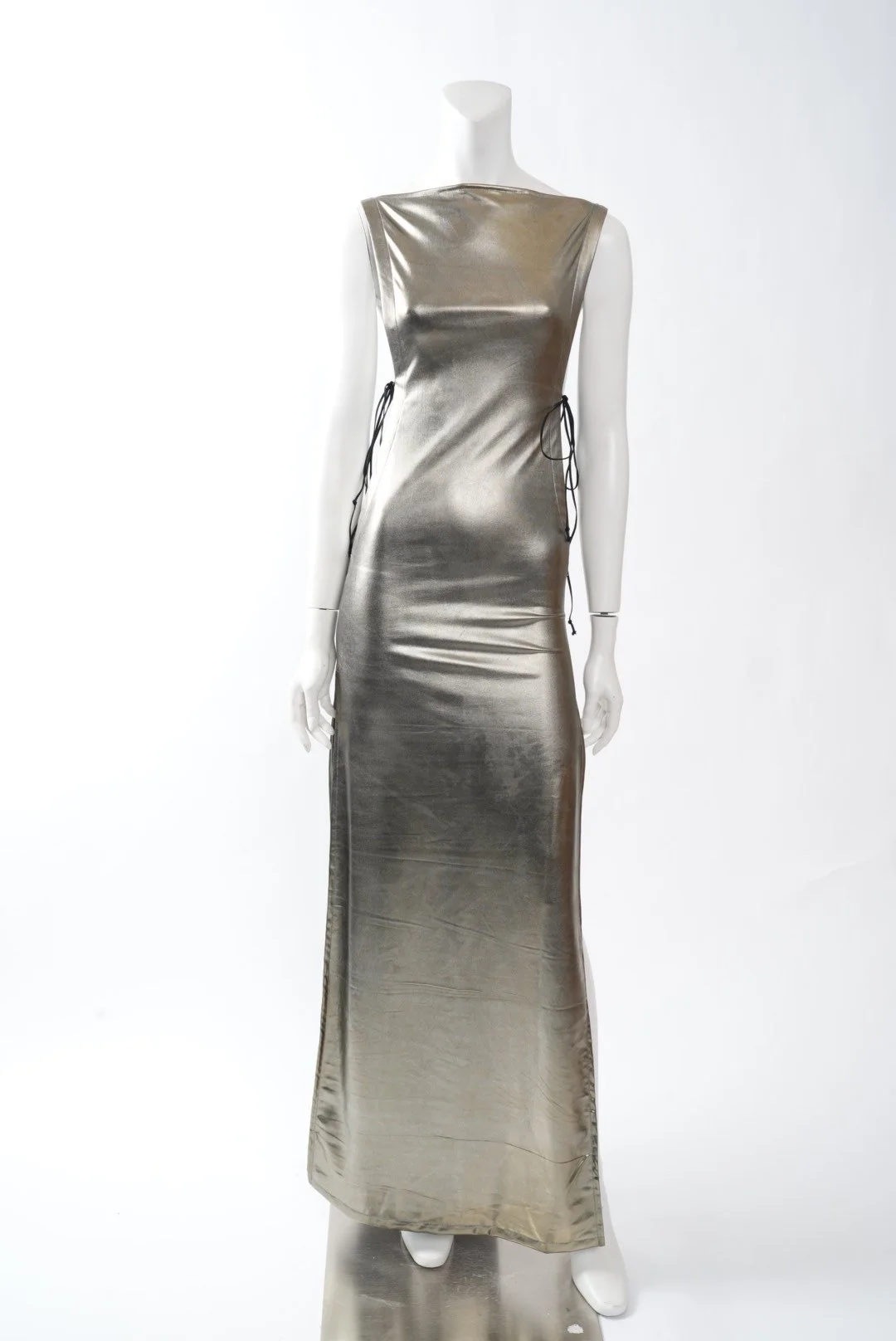
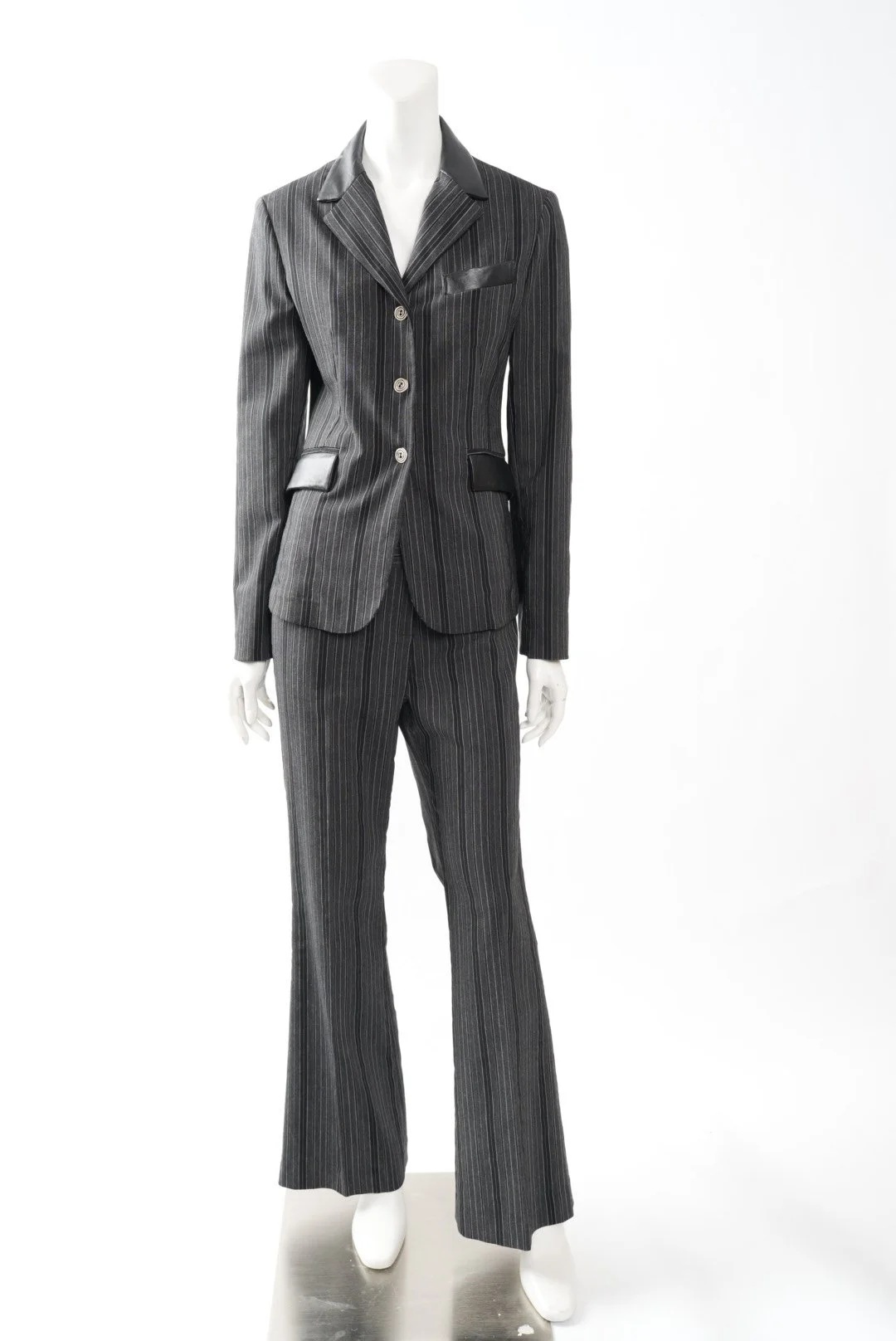
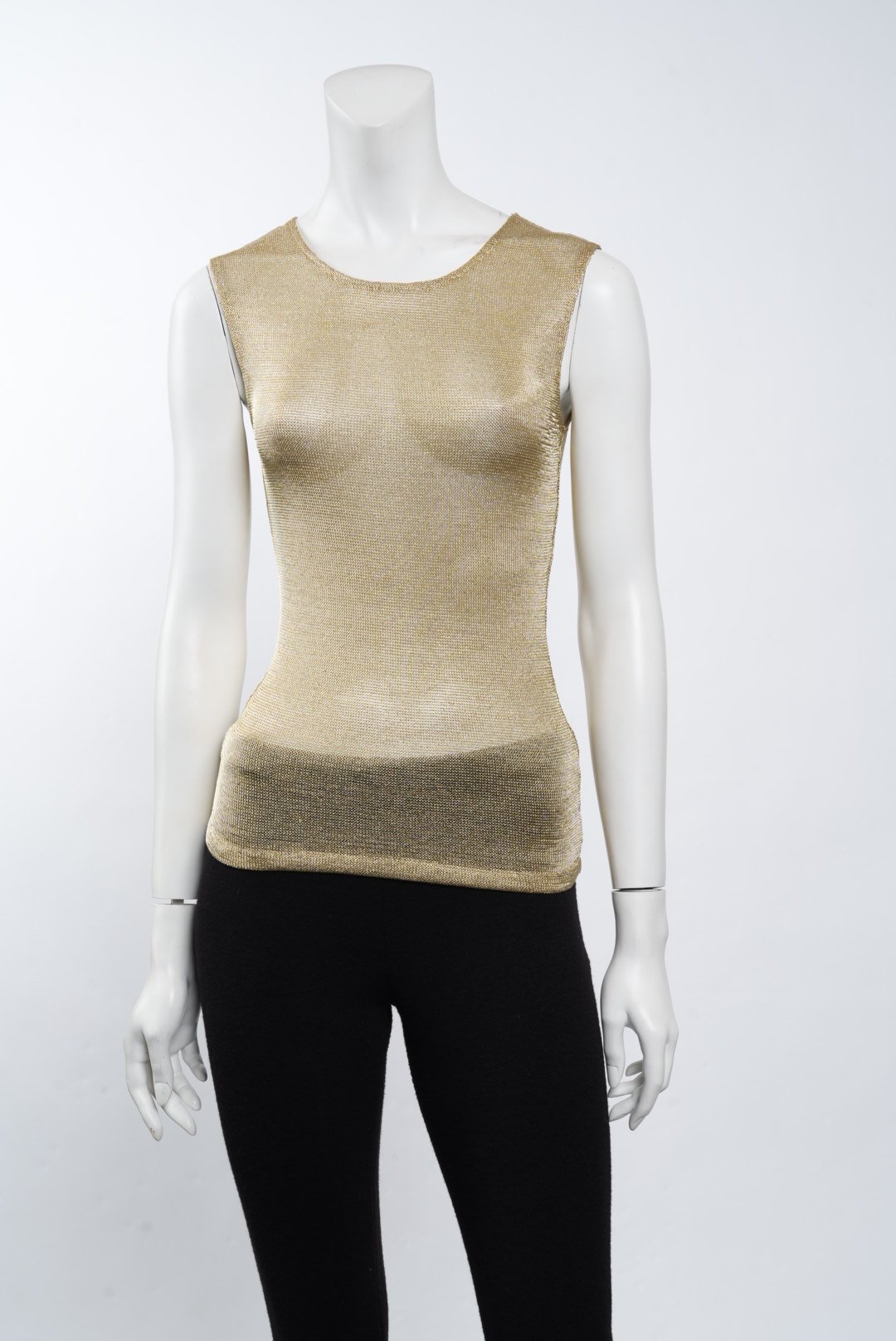
Pieces from Samuel Vartan Collections F/W 26
Q: When creating each piece in your collections, who do you imagine the wearer to be? Who is the Samuel Vartan woman?
A: I’ve always loved a business woman who’s very ahead of her time. She understands sensuality but doesn’t need to announce it. She knows how to dress, she knows what she likes. She’s a trendsetter in her own way, yet doesn't care to be one.
My designs are really about authenticity, I don’t know if my stuff could be considered whimsical. They’re pretty straightforward. Structured. Elevated. Sexy, yes, but never too much.
Q: There’s a strong contrast between your seasonal collections. Why?
A: Yes, because they represent two sides of me.
Autumn/Winter reflects my darker, urban influences like the Montreal nightlife, alternative music, gothic undertones. It’s polished, rather industrial minimalism.
On the other hand, Spring/Summer comes from my Mediterranean roots. I was born in Greece, and have long spent my summers in Europe — Italy, Spain, France. The aesthetic of European summer shaped me from the linens to the tailored ease of fashion in these places. During the summer, I wear lots of color and linen. Sandals with suits, you know.
Both are authentic. That’s the key.
Q: Do you have any tendencies or habits when you begin to design a new collection?
A: I sketch everything myself. Then I develop patterns properly—marked, notched, structured. Many younger designers outsource everything. There’s nothing wrong with outsourcing, but when you don’t understand pattern-making, you lose control.
Q: You recently debuted your F/W 2026 collections at NYFW, what did that mean to you?
A: I’ve always seen New York as a natural stage. If I’m going to establish a real flagship presence anywhere, I would love for it to be either Montreal or New York. Those cities just match who I am and the identity of the brand.
I felt very grateful to present my pieces within a NYFW show. It was such a great introduction and starting point, but I am looking forward to making a full debut in the coming seasons. It was a way to get the work in front of people and start letting New York see what I’m doing. My ultimate goal was to gain exposure and show the brand to the right eyes, at the end of the day, that is the purpose for fashion shows. Getting your pieces in front of journalists and buyers is always the goal.
When it comes down to it, my biggest hope is that the right partnership comes along, and I would love for it to be in New York. Coming into New York also made me aware of a generational shift. A lot of the people organizing and participating in shows today are much younger, and the way things are done now is different from how they used to be. But that’s part of entering the scene today — you adapt to it if it means getting the work out there.
Ultimately, New York isn’t just another market for me. It’s the place where the brand can really be discovered, validated, and hopefully picked up by the right partner who sees its potential. Until then, I’m just going to keep producing the work and putting it out into the world.
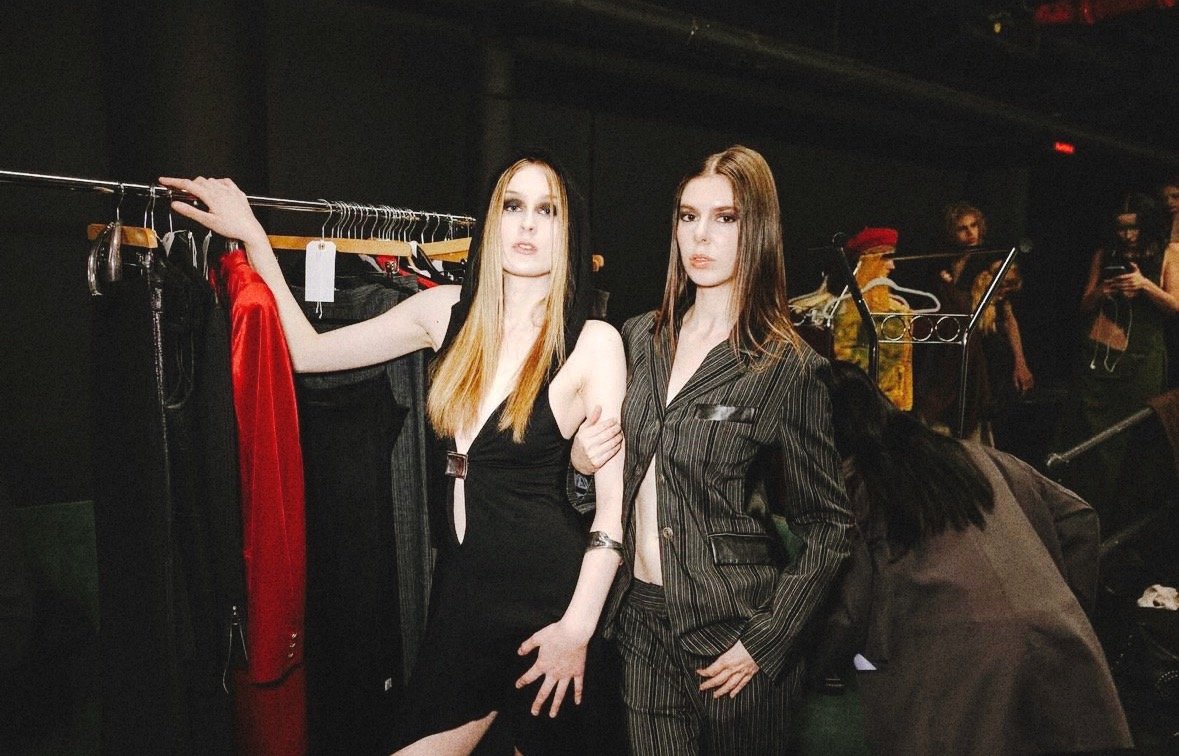
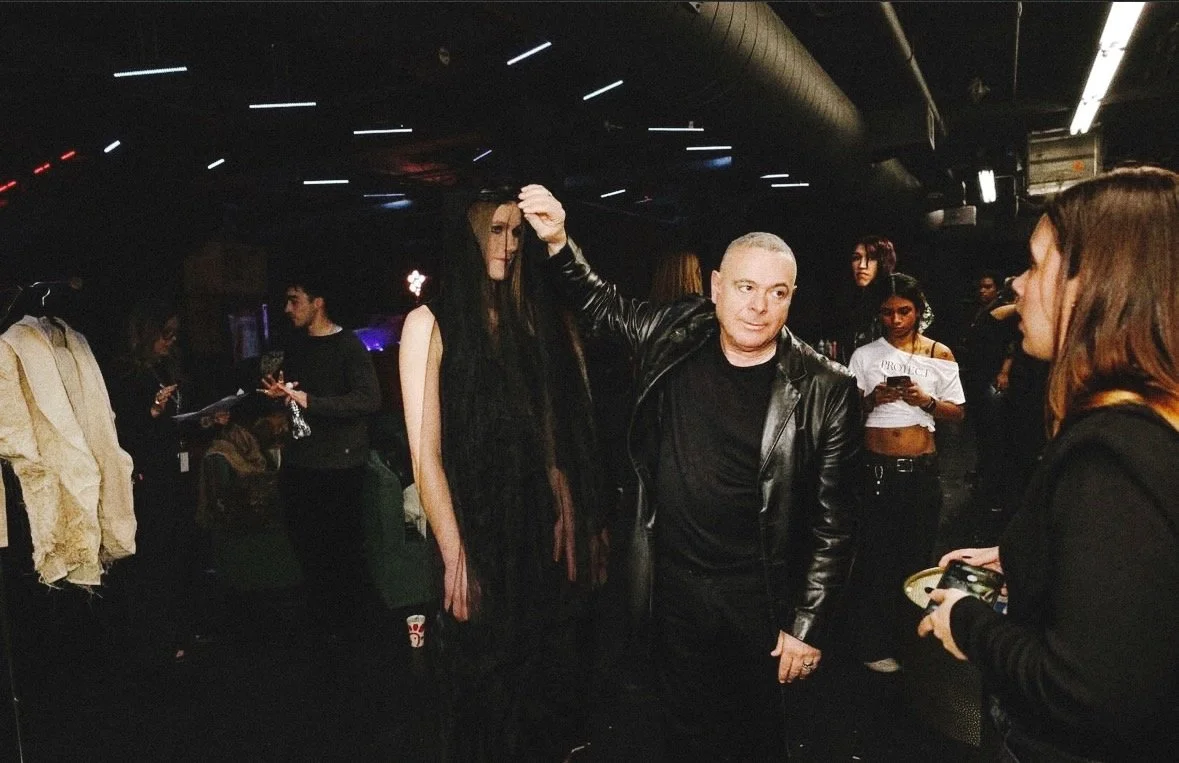
Photo Credits @eleachateauphotography
Q: To conclude our conversation, I wanted to know if you have any overarching influences or inspirations when it comes to your designs?
A: There is a film that really depicts who I am. I think, not only culturally, but even philosophically — the 1982 Blade Runner. I've written so many papers on it, I even did a thesis on it.
When it came out, people were focused on Star Wars and completely missed what was happening within this film. What struck me was how different it felt from the science fiction we were used to. People didn’t quite know what to make of it at first. It felt bleak, almost unsettling. I wanted to see it partly because it was directed by Ridley Scott, who was doing great things with fashion at the time.
The moment the music started, it really stayed with me. I remember leaning over to my sister and realizing it was by Vangelis. The score by the Greek composer is the soundtrack of my life. That opening sequence of him flying over this futuristic city was incredible. It had this strange beauty to it: seductive and atmospheric, but also heavy and industrial. The world felt constantly dark, rainy, almost suffocating.
The film explores creator versus creation; what it means to be human. There’s a scene in the rain where the replicant shows more humanity than the man hunting him. That moment shaped how I think about storytelling in fashion.Visually, it mixes futurism with Art Deco. Dark, seductive, dystopian, yet elegant all at once. If I ever did a full conceptual shoot, it would absolutely reference that world.